
NOCD Announces Plans for National Expansion of Intensive Outpatient Therapy
NOCD, a virtual provider for OCD, announced plans to expand its virtual intensive outpatient program for people with severe OCD nationwide.
NOCD, a virtual provider for OCD, announced plans to expand its virtual intensive outpatient program for people with severe OCD nationwide.

NOCD launched a new parent brand, Noto, and acquired PTSD provider Rebound Health to expand its virtual, specialty therapy model beyond OCD into other complex mental health conditions.


We have the opportunity to design systems that give people greater capacity for the work where human presence matters most: listening, understanding, reassuring, deciding, and caring.

Talkiatry and NOCD are teaming up to improve care for patients with obsessive-compulsive disorder. Talkiatry specializes in medication management, while NOCD specializes in Exposure and Response Prevention therapy.

InStride Health — a virtual care provider for pediatric patients with moderate to severe anxiety and OCD — recently launched with $26 million in funding. The startup delivers insurance-covered pediatric mental health treatment using a care model developed by two of its co-founders, who are Mass General Brigham clinicians.

Israeli medical device company BrainsWay earned a positive coverage policy from Cigna for its deep transcranial magnetic stimulation to treat adult patients with OCD. Cigna joins the ranks of other major insurers who cover the device for OCD treatment — including Centene, Highmark, Blue Cross Blue Shield, Tricare and Palmetto GBA.

NOCD recently closed a $33 million funding round, led by F-Prime Capital. The startup plans to reach more people with OCD to offer exposure and response prevention therapy, a type of therapy that is considered an effective treatment for OCD, but can be difficult to find.


Healthcare payments are no longer about transactions. It’s about controlling the revenue cycle. And increasingly, that control is not sitting with ISOs.

NOCD, a digital health company that connects users to therapists for OCD and self-help tools, has seen the number of people using its platform double since the Covid-19 pandemic started.
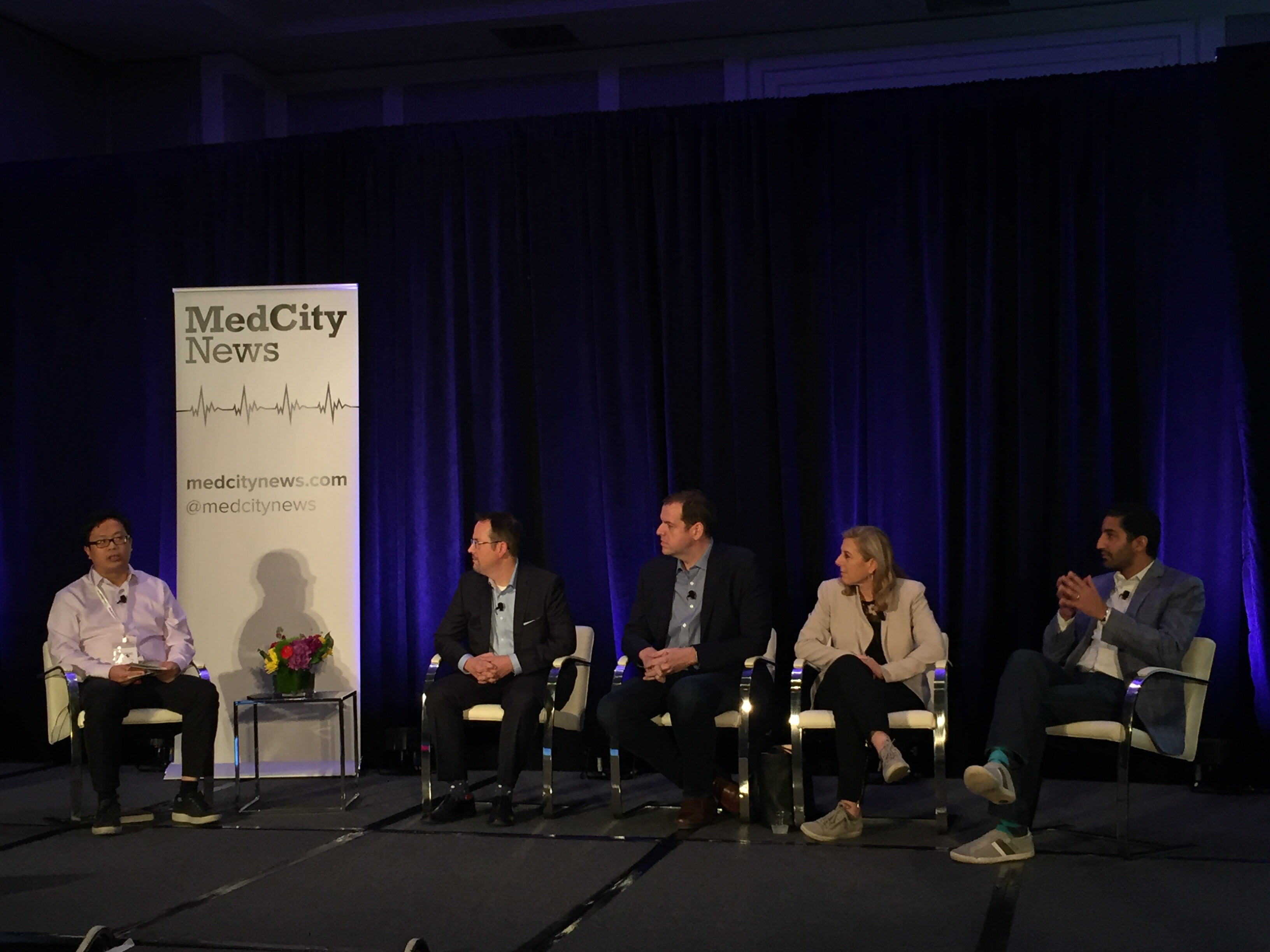
Panelists at the MedCity Engage conference in San Diego agreed that a growing shortage of mental health professionals mean that technology has a key role to play in improving behavioral health treatment.

Anxiety disorders are unique to each person who is challenged with them. So why are many patients put in a broad category for treatment?